Case studies

Tools built by people who don't write code.

Every tool on this page was built by the person who needed it, without coding or purchasing any expensive software. They knew exactly what they wanted and decided to build it with AI.

These systems are in daily use, so client names, contact details, and company branding have been removed from the screenshots.

Case 01

A gym with no member portal now runs one it built itself.

Independent gym · owner-managed · United Kingdom

The problem

Members trained at the gym, but there was no content to support their training plans outside of it. Everything beyond the training session lived in conversations, printouts, and whatever people happened to remember.

New enquiries were handled the same way. Leads came in, got chased when someone thought of it, and were tracked nowhere in particular.

What they built

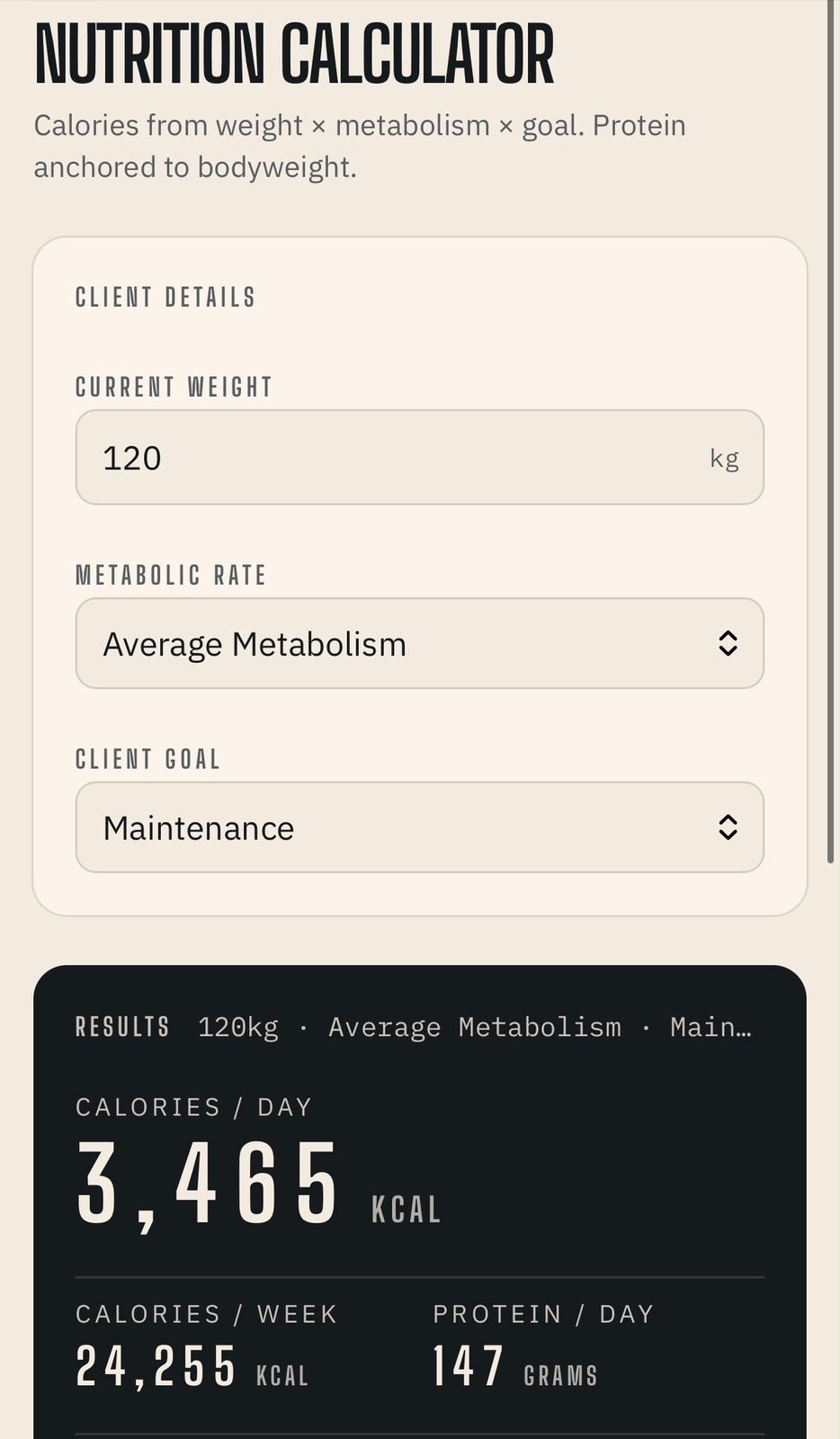
  • + A member hub with a nutrition calculator that sets daily targets from bodyweight, metabolic rate, and goal
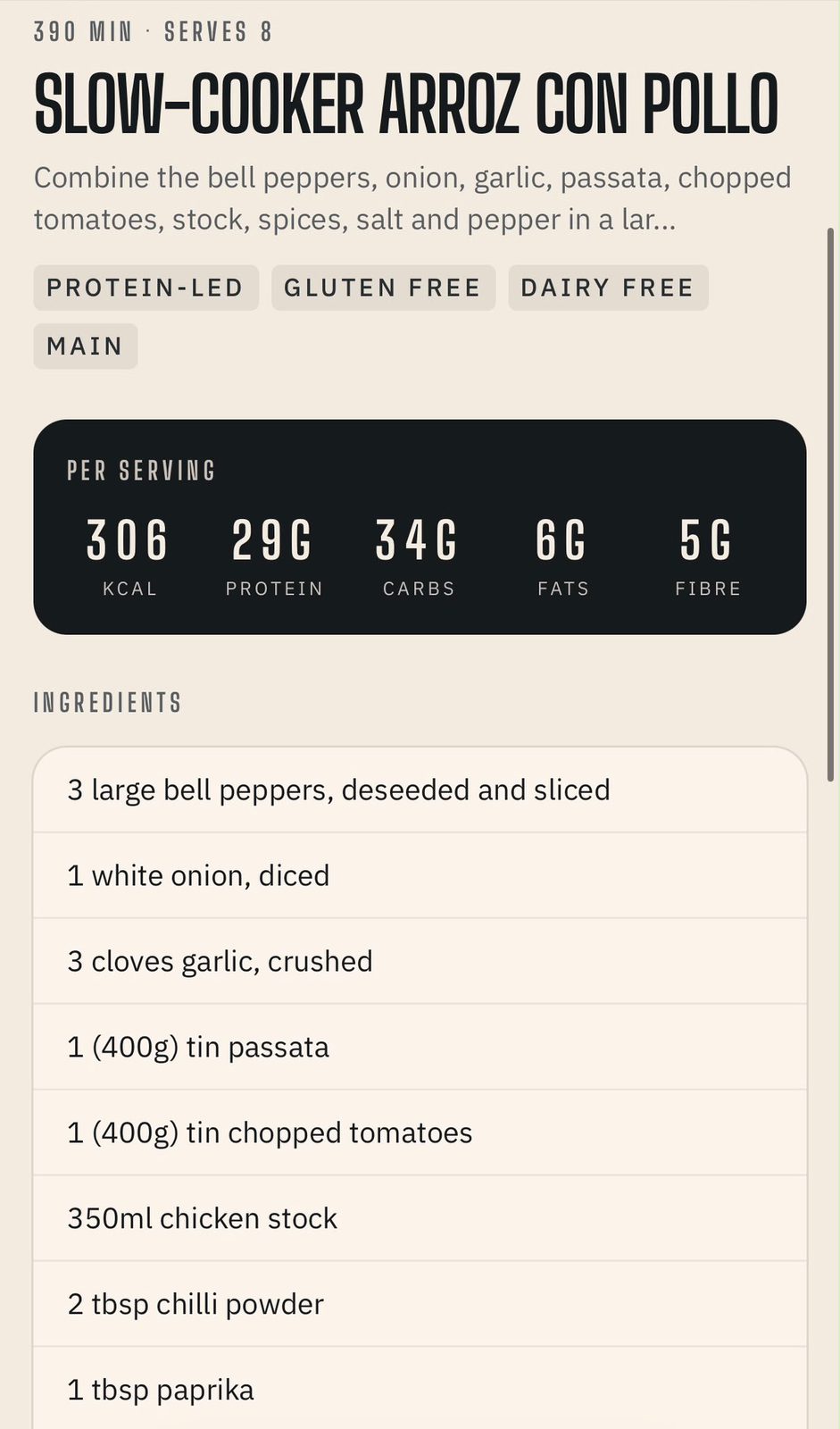
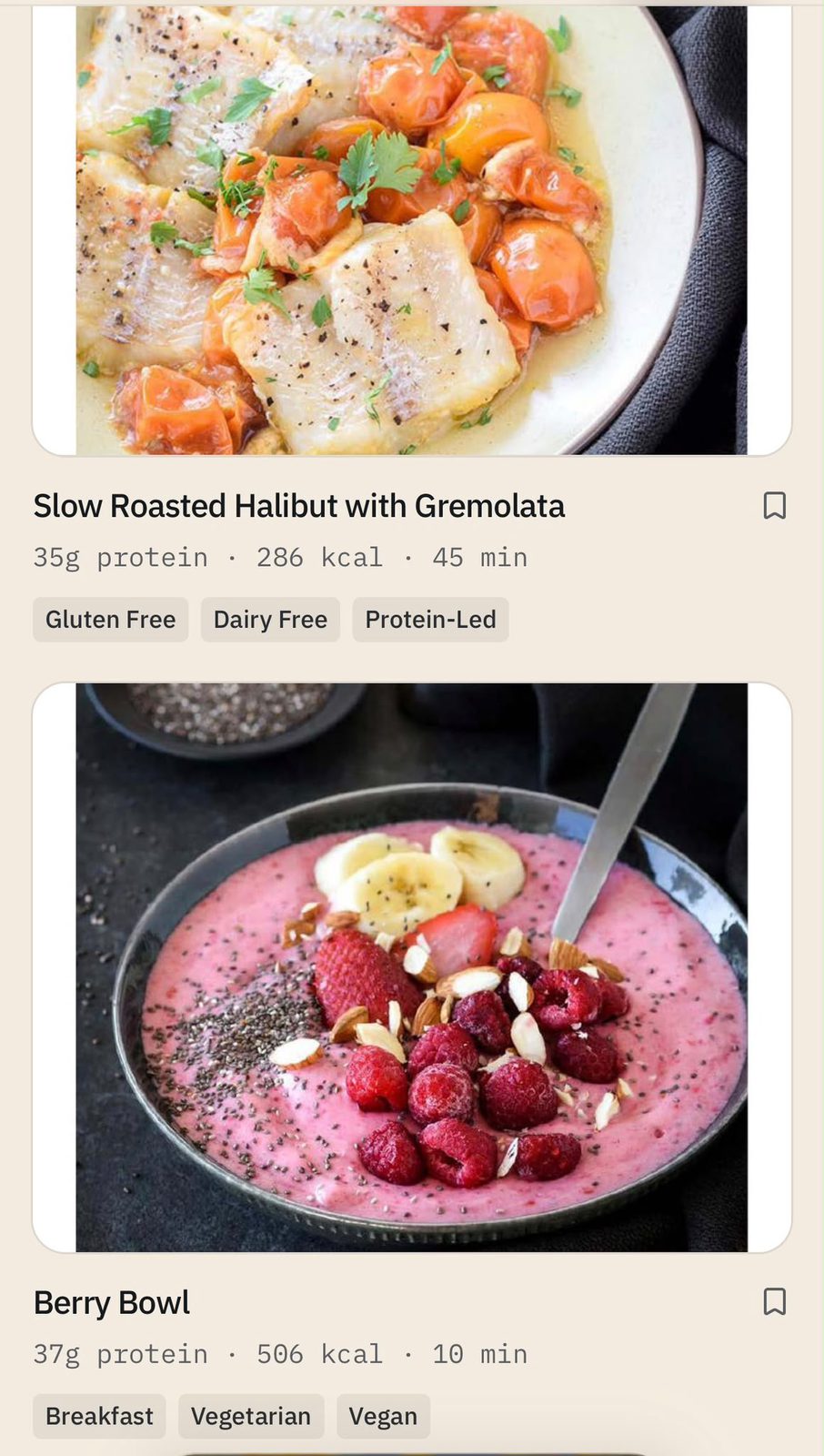
  • + A recipe library filtered by protein, calories, prep time, and dietary needs
  • + Guides for the situations that derail progress: eating out, alcohol, sleep, habits
  • + A separate CRM tracking every lead from first enquiry through to conversion
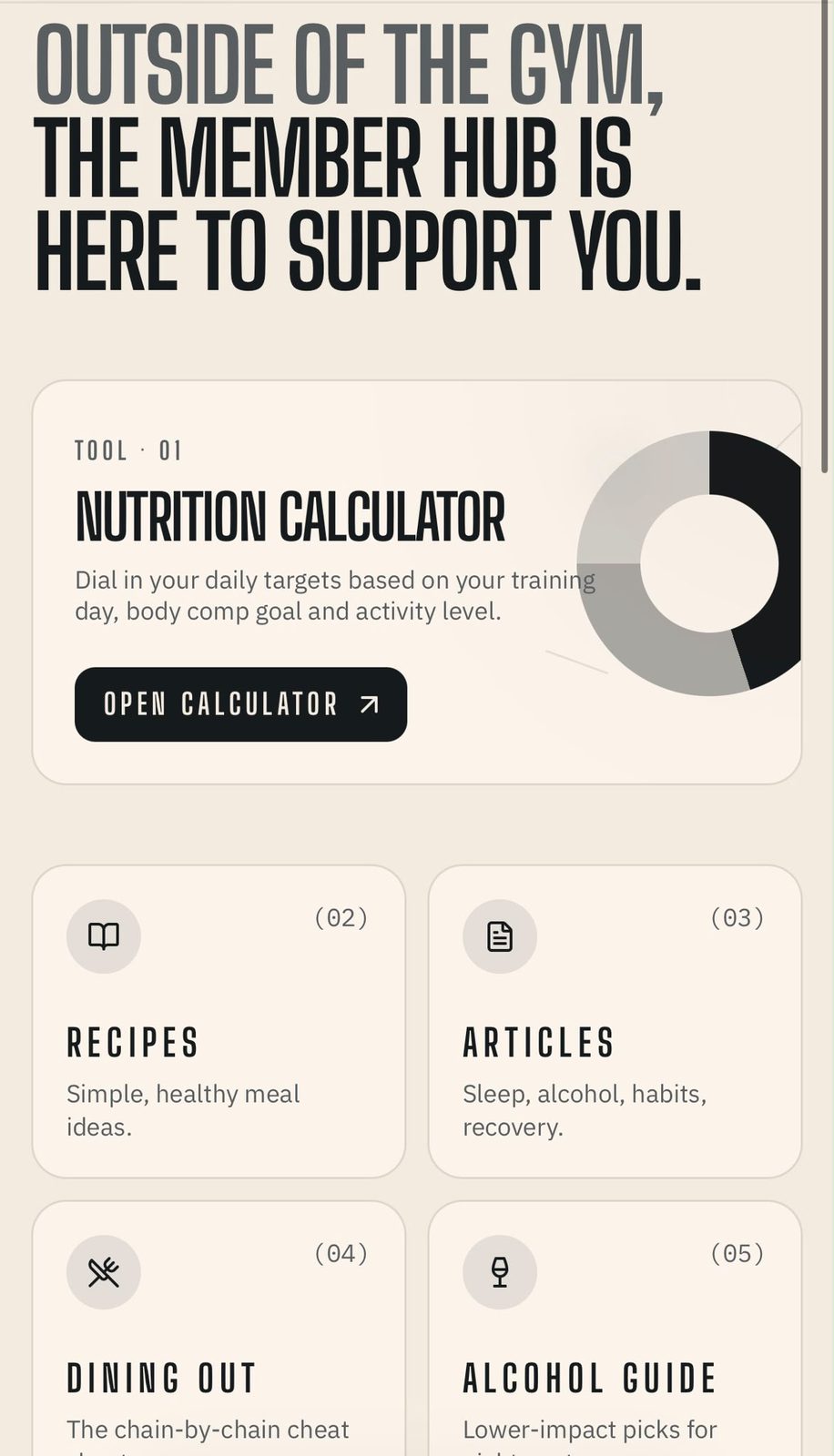
Member hub home screen listing the nutrition calculator, recipes, articles, dining out and alcohol guides, built by a workshop participant
Nutrition calculator showing daily calorie and protein targets calculated from bodyweight, metabolic rate and goal
Recipe library listing meals with protein, calorie and prep time figures and dietary tags
Individual recipe page showing per serving macros, ingredients and method

Built: a member hub and a lead-tracking CRM, covering both ends of the customer relationship. The owner runs several small businesses and is now rolling the same tools out across the rest of the portfolio.
Case 02

An accountancy practice started shipping software to its own clients.

Accounting practice and business consultancy · owner-managed · United Kingdom

The problem

The practice already advised clients on how their businesses ran. One of them, a set production company, was managing projects across email, spreadsheets, and memory. Deadlines sat in one place, client contacts in another, and nobody had a single view of what was due this week.

Advising them on the process was straightforward. Handing them something that fixed it was not, at least not without a development budget.

What they built

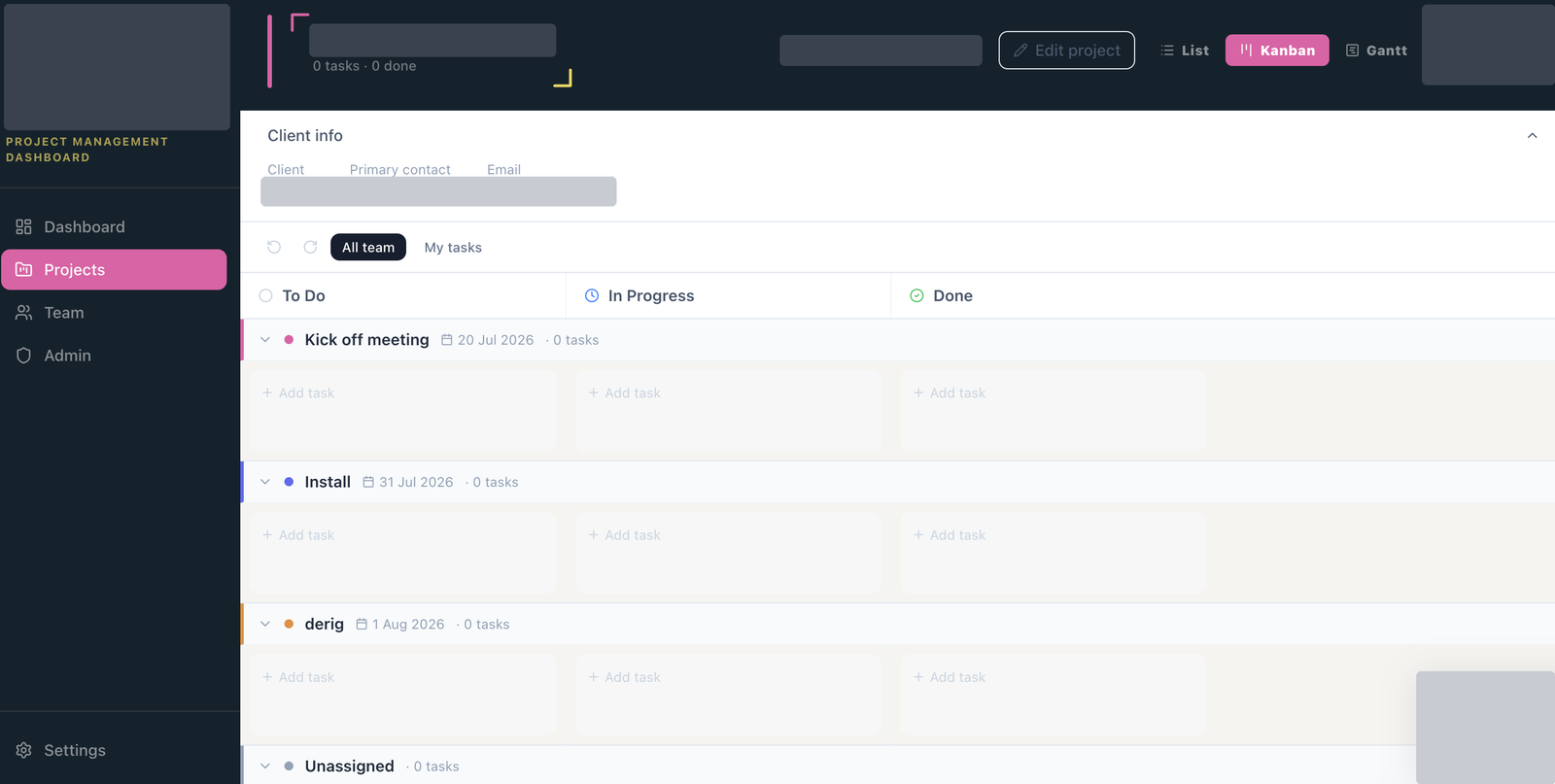
  • + A project management dashboard for the client: projects, tasks, and milestones in one place
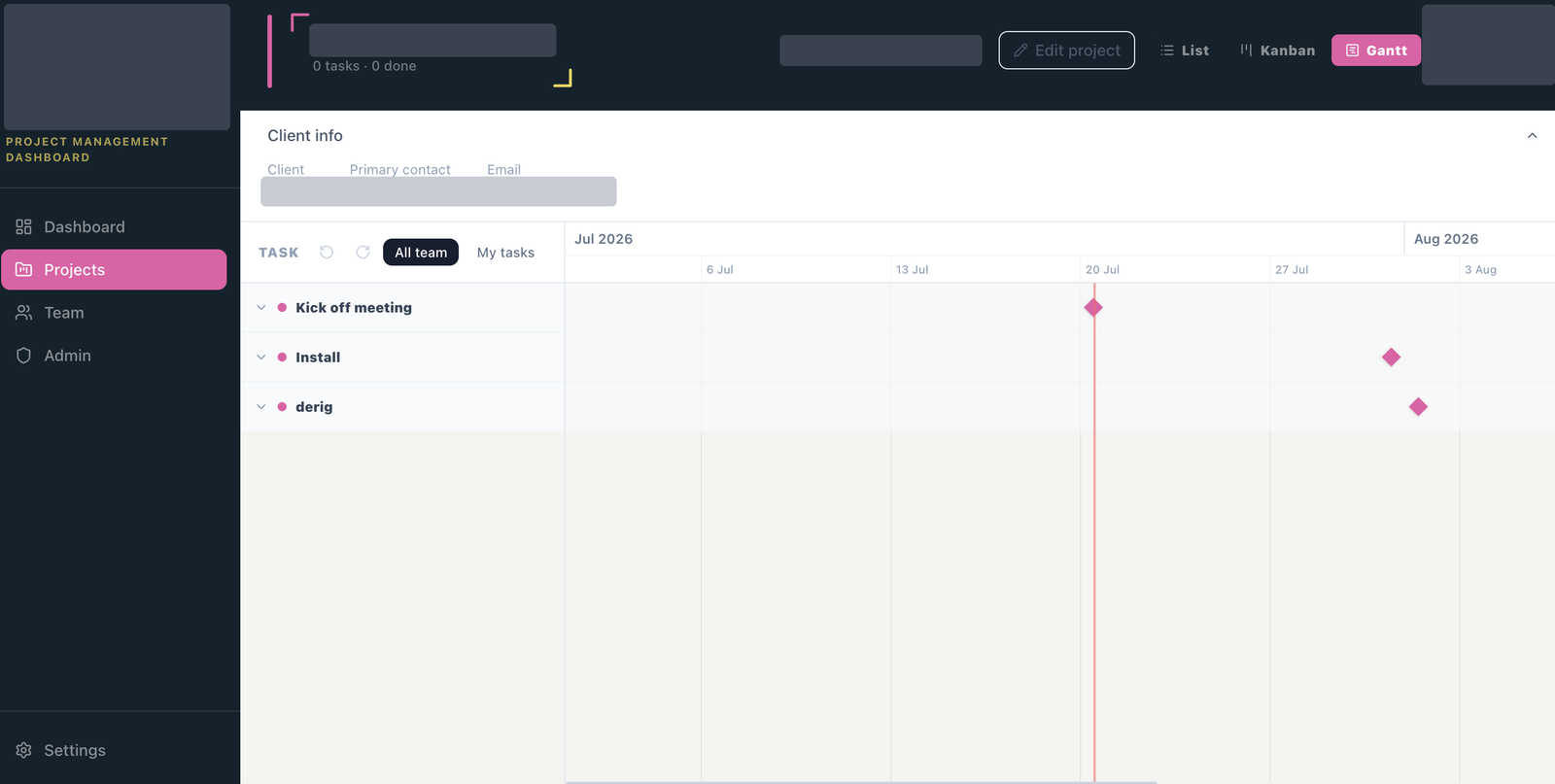
  • + Kanban and Gantt views over the same data, so the studio can work by status or by date
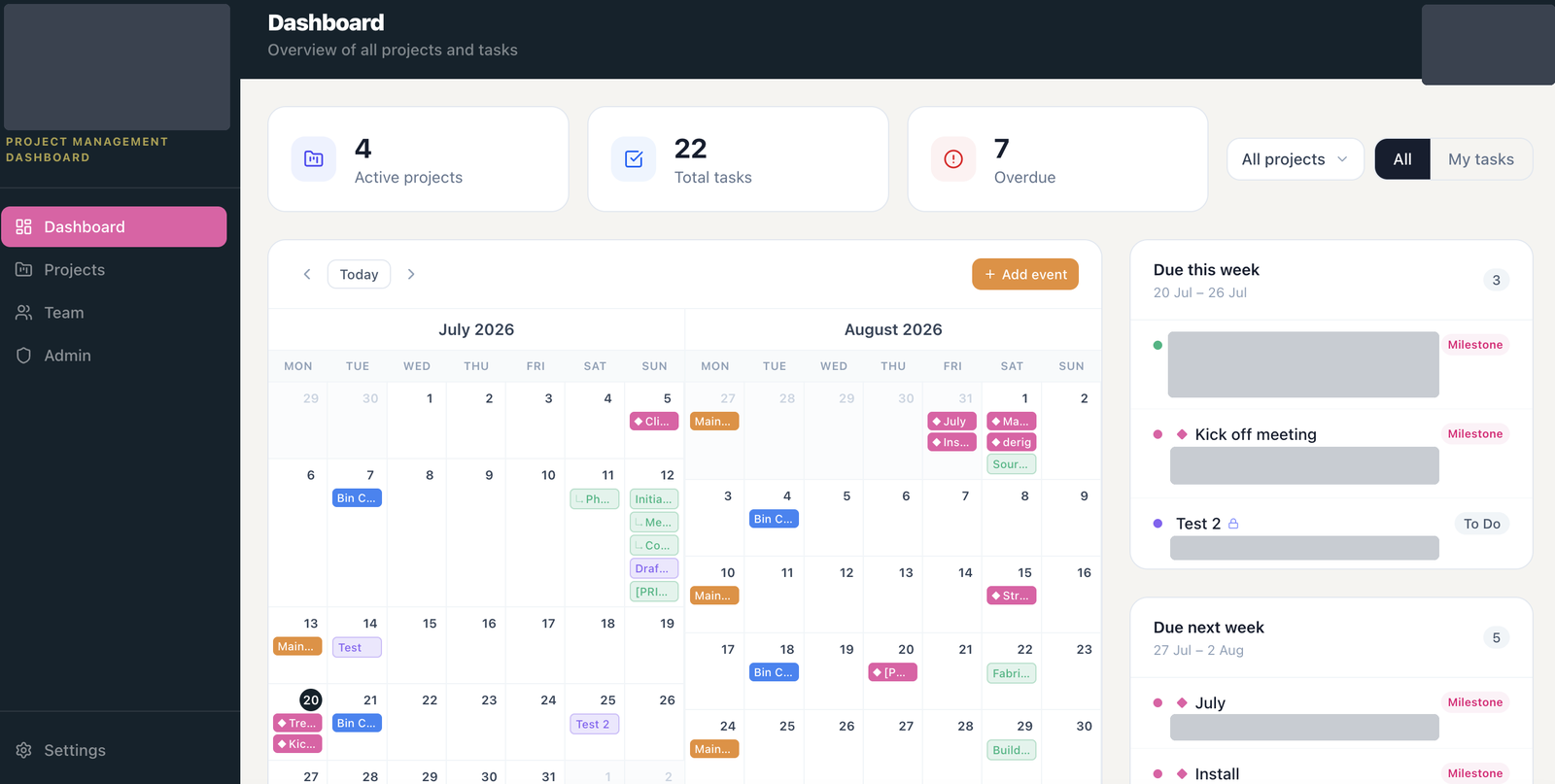
  • + A calendar with due this week and due next week panels that surface what is at risk
  • + Client records attached to each project, so contact details sit with the work
Project management dashboard showing active project and task counts, a two month calendar, and due this week and due next week panels
Kanban board grouping project milestones into to do, in progress and done columns
Gantt timeline plotting project milestones across July and August with a marker on the current date

Client names, contact details, and the studio's branding removed.

It did not stop there

The same practice has since built tooling for two more of its clients, in both cases answering a question the client could not answer from their existing systems.

Also built

  • + An inventory prioritisation dashboard, which the client now uses daily for purchasing and promotion decisions
  • + A revenue analysis tool that surfaced patterns the client's own reports had not shown

Built: three tools across three clients. A practice that used to advise on how a business runs now builds the software it runs on.

Case 03

A tenants association is running its Right to Manage campaign on a portal it built itself.

Residential tenants association · volunteer-run · United Kingdom

The problem

Right to Manage lets leaseholders take over the management of their own building, but only if enough of them take part. The threshold is half the flats in the development, and until you reach it there is no claim. That turns the whole campaign into a counting problem spread across hundreds of front doors.

The count lived in spreadsheets, group chats, and the memory of the few volunteers doing the door knocking. Nobody could say what the current figure was on any given evening, so some flats were chased twice and others were never reached at all.

What they built

  • + A members portal where leaseholders register and record where they stand on the claim
  • + A live progress tracker measuring participation against the threshold the claim has to clear
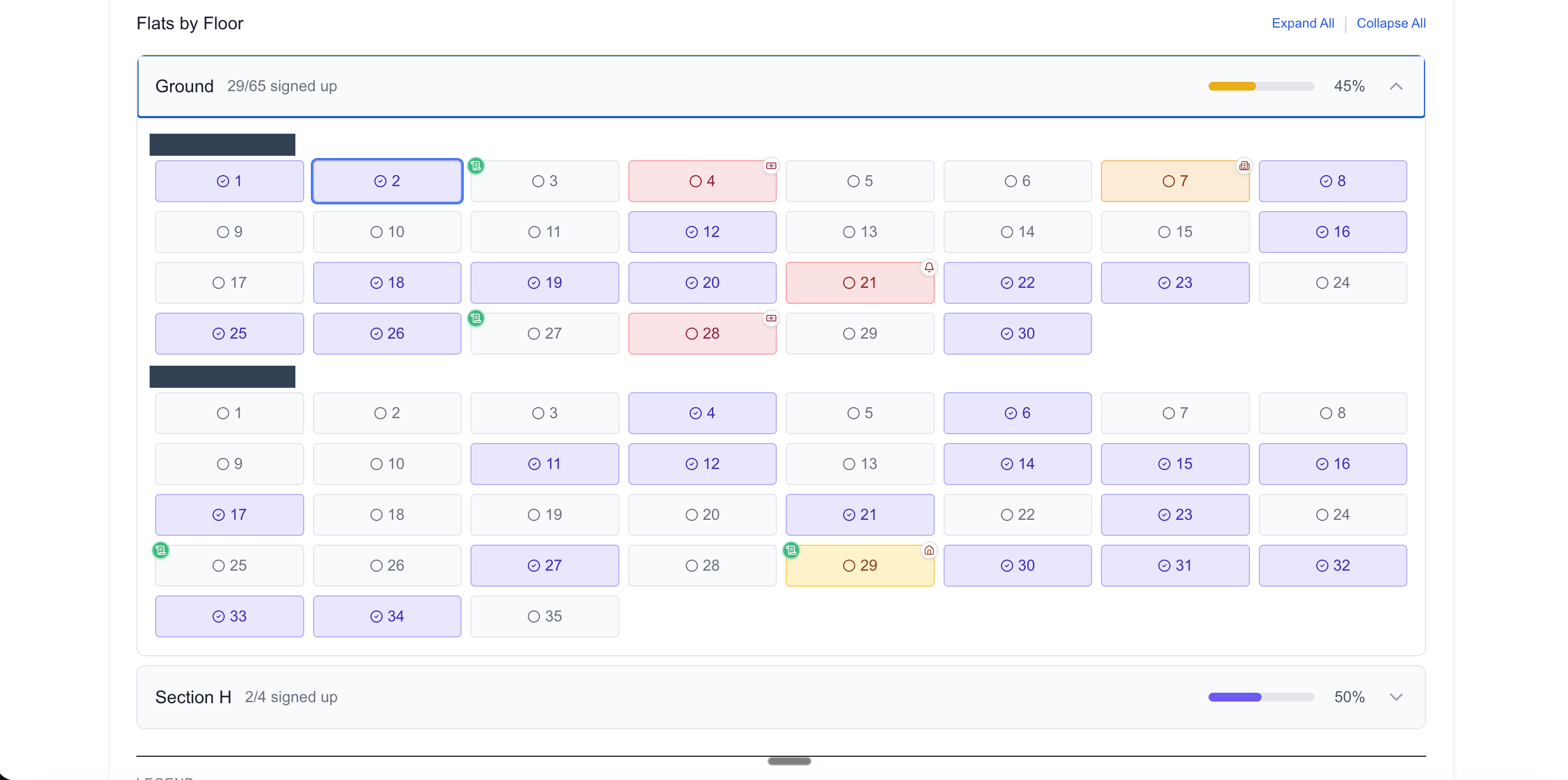
  • + A floor by floor view of the development, so canvassing goes to the doors nobody has reached yet
  • + Automated reminder emails to owners who registered but have not yet recorded a position
  • + A document checklist covering the paperwork the claim depends on
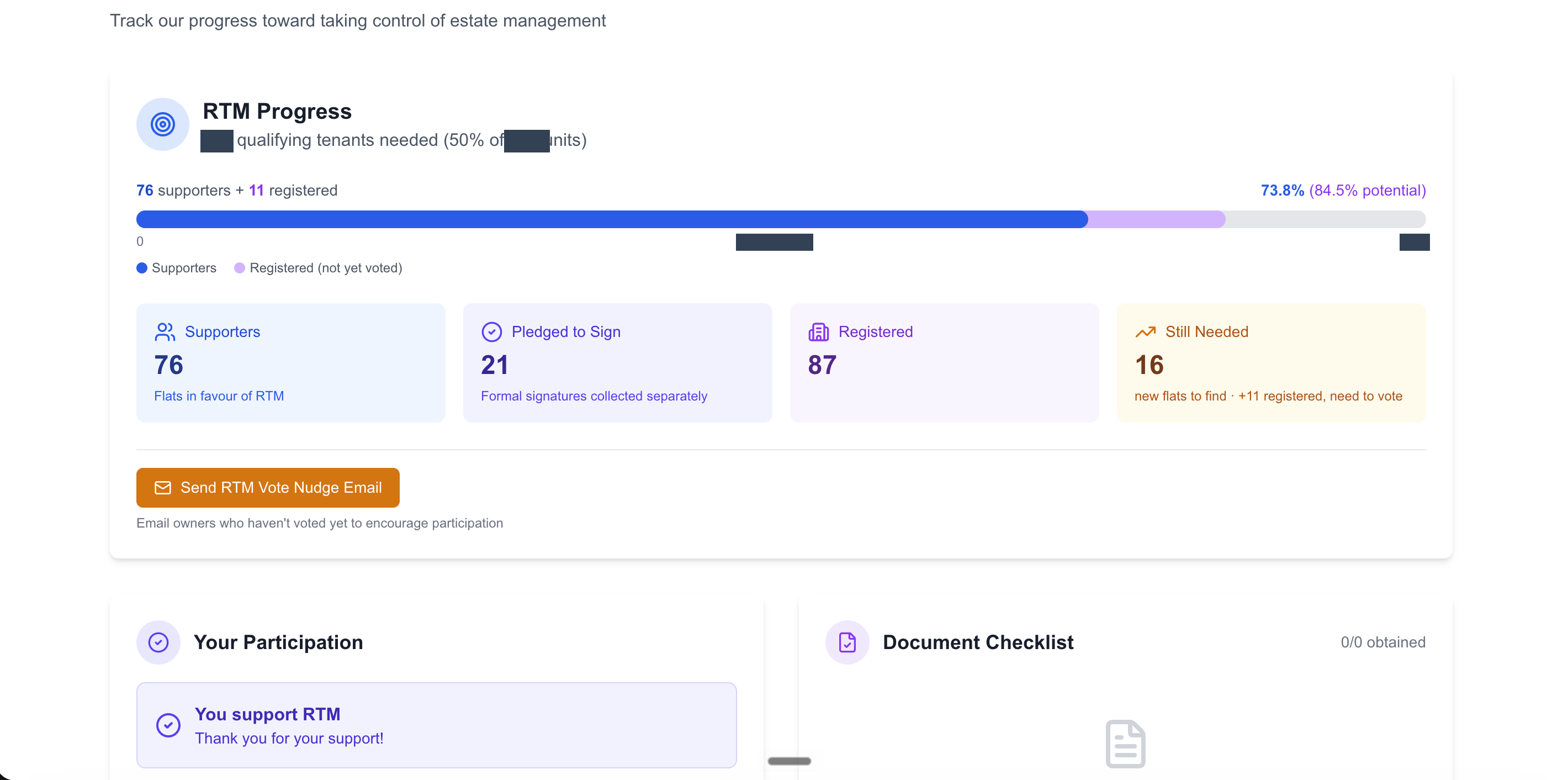
Right to Manage progress tracker showing participation against the threshold the claim has to clear, a breakdown of supporters, pledges and registrations, and a button to email owners who have not yet voted
Floor by floor grid of every flat in the development, colour coded by sign-up status, with a progress bar for each floor

Estate and building names, addresses, resident contact details, and unit totals removed.

Built: a campaign system that replaced a spreadsheet and a group chat. The association now watches its participation figure update as it happens, and is around three quarters of the way to the threshold it needs.

What will your team build?

Every workshop is designed around the workflows your team already has. We start with a conversation to learn about your team's challenges.

Get in touch